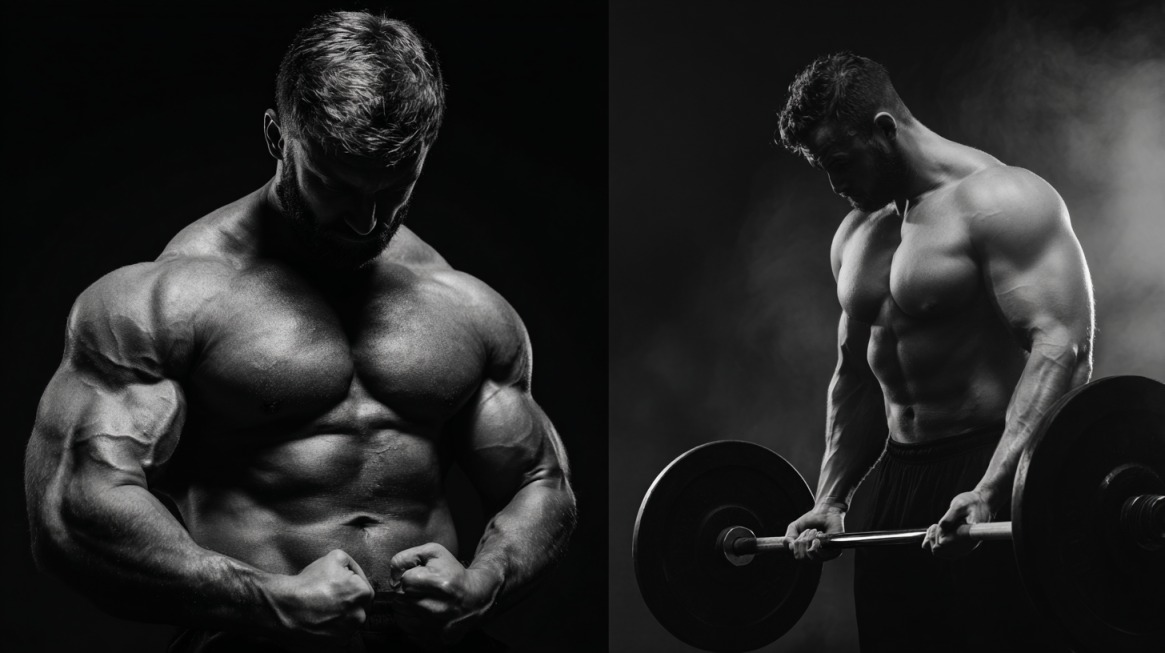
Bodybuilding and powerlifting both originate in resistance training and share barbells, racks, and gym spaces, yet each sport was built to reward a very different outcome.
Competition rules, judging standards, and performance metrics separate the two early and push athletes in opposite directions.
Aesthetic presentation defines one path, while measurable strength defines the other.
Training structure, nutrition planning, recovery demands, and competitive mindset all shift based on that core goal.
1. Purpose and What Success Looks Like
Bodybuilding rewards visual presentation rather than physical output measured in the gym.
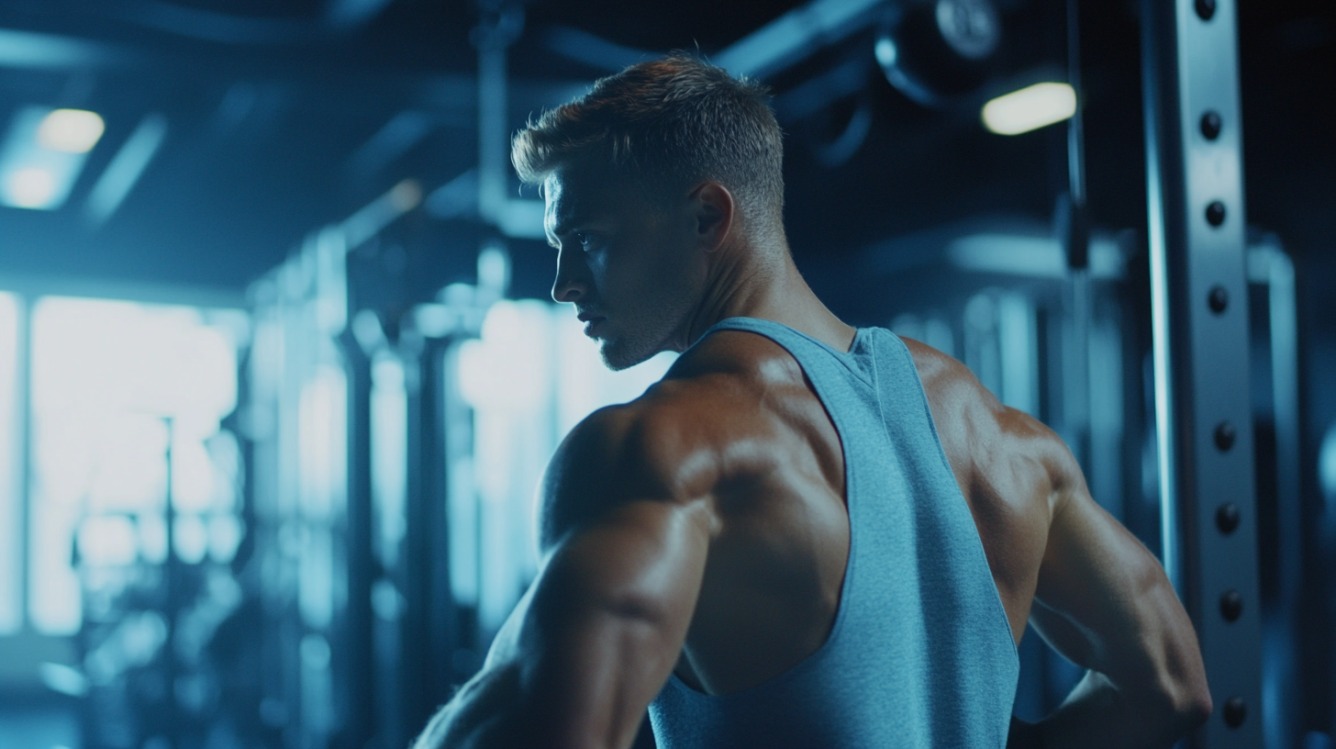
Muscle size, symmetry, proportion, and conditioning determine success, all judged during stage comparisons and posing routines.
Evaluation depends on how well the physique meets visual standards on a specific day, not on training numbers achieved beforehand.
Preparation revolves around refining every visible detail, since appearance alone decides rankings.
- Overall muscle fullness and density
- Balance between upper and lower body
- Clarity of muscle separation under stage lighting
- Ability to present the physique confidently through poses
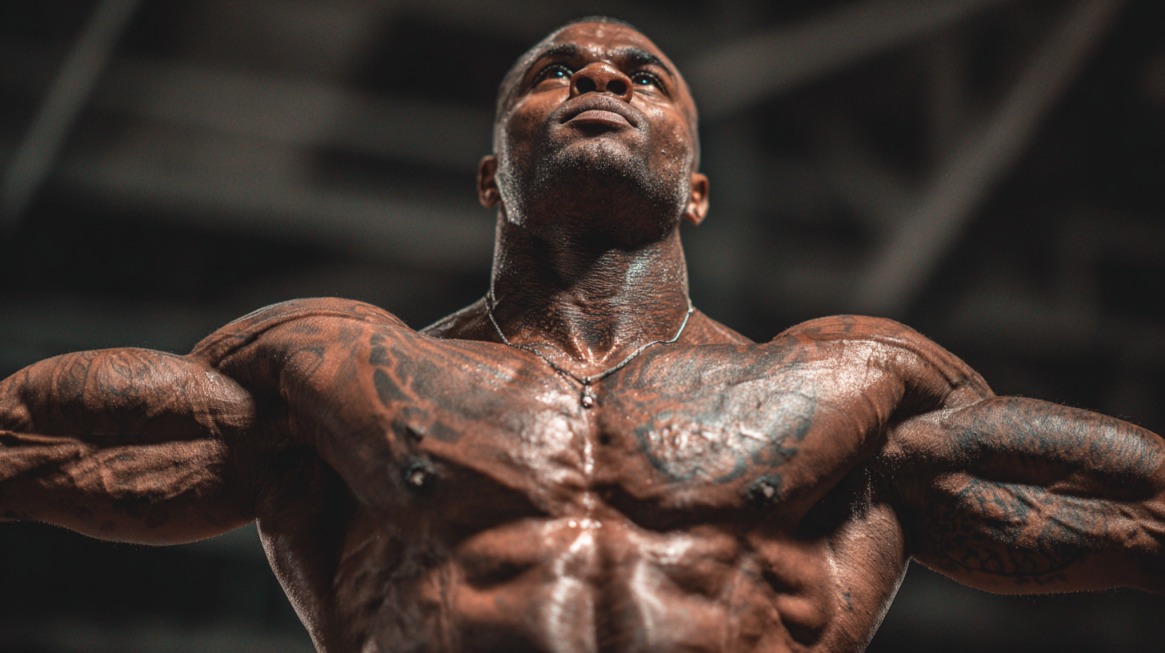
Powerlifting rewards measurable performance under standardized rules.
Total weight lifted across the squat, bench press, and deadlift determines final placement, leaving no room for subjective interpretation.
Judges focus on rule compliance rather than aesthetics, and results are recorded numerically.
- Each lift receives three attempts
- Highest successful attempt per lift counts
- Combined total determines rankings
Subjective judgment shapes bodybuilding preparation, while objective scoring shapes powerlifting preparation.
Training priorities shift immediately once that distinction becomes central to the athlete’s mindset.
2. Training Methods and Intensity
Bodybuilding training focuses on muscle stimulation and hypertrophy through controlled fatigue.
Moderate loads paired with higher repetition ranges dominate most workouts, allowing muscles to remain under tension for extended periods.
Isolation movements play a major role, giving attention to individual muscles that need added size or improved balance.
- Higher total repetitions per set
- Shorter rest periods to increase fatigue
- Exercises selected for targeted muscle stress
Powerlifting training centers on maximum force production and neuromuscular efficiency. Heavy loads, low repetitions, and precise programming drive progress.
Sessions prioritize lifting technique under heavy weight, often supported by carefully planned accessory movements.
Athletes and coaches who want a deeper technical understanding of competition lifts, programming, and coaching standards often pursue formal education, such as a powerlifting certification, to build expertise beyond personal training experience.
3. Weekly Workout Structure
View this post on Instagram
Bodybuilders usually train four to seven days per week, accumulating high weekly volume across all muscle groups.
Frequent sessions allow repeated stimulation without overwhelming recovery systems.
Split routines divide the body into sections, letting one area recover while another receives focus.
- Upper and lower body splits
- Push, pull, and leg rotations
- Muscle group focused days
Powerlifters often train fewer days per week, placing more emphasis on quality rather than frequency. Sessions revolve around repeated practice of competition lifts and closely related variations.
Heavier absolute loads raise recovery demands, making rest days a necessary part of progress.
Weekly structure reflects the main objective, visual development or maximal strength output.
4. Exercise Focus and Technique
@oneplateclub When Side Quests Create a New Storyline 🚀 🧩 Fitting bodybuilding and powerlifting together taught me that I can maintain leanness and fill out my weight class with muscle 📈 Progressing my bench and dips at the same time taught me that they don’t interfere and I can have two lifts to look forward to every chest workout. 💪 Making powerlifting and streetlifting work has given me more functional uses for the strength I built up across the competition movements. 😤 I can also stay motivated because I have so much to look forward to, so I hardly even need discipline. I genuinely want to workout every day! 🙋♂️ If this training system sounds appealing, my 5-7 day split’s which remove the programming complexities so you can go straight into enjoying your progression is available in my bio 📲🤝 #dips #streetlifting #chest #chestworkout #calisthenics #bench #strength #strengthcoach ♬ original sound – Ryan Maclellan
Bodybuilding values full range of motion, constant muscle tension, and variety in exercise selection. Advanced techniques like supersets, drop sets, and tempo control increase fatigue and muscular stress.
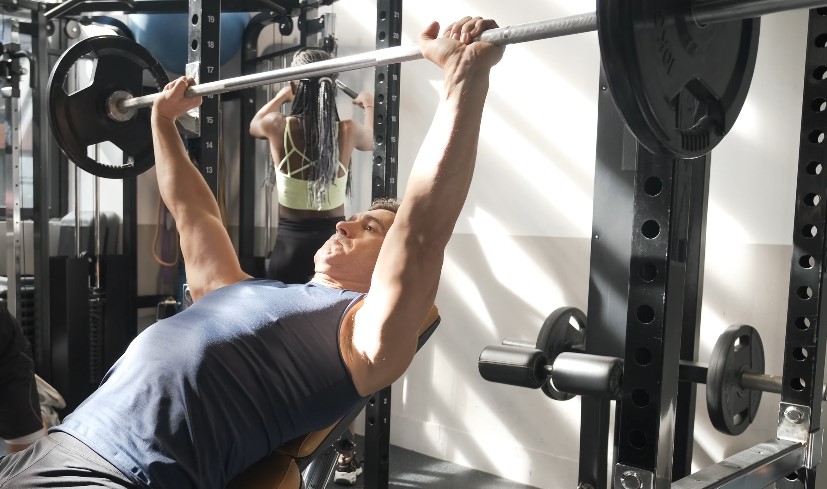
Powerlifting technique aims to move the most weight allowed by competition rules. Stance width, grip placement, bar path, and setup choices improve leverage and efficiency. Small technical adjustments can add significant weight to a lift.
Movement quality serves different purposes depending on the sport.
5. Diet and Body Composition
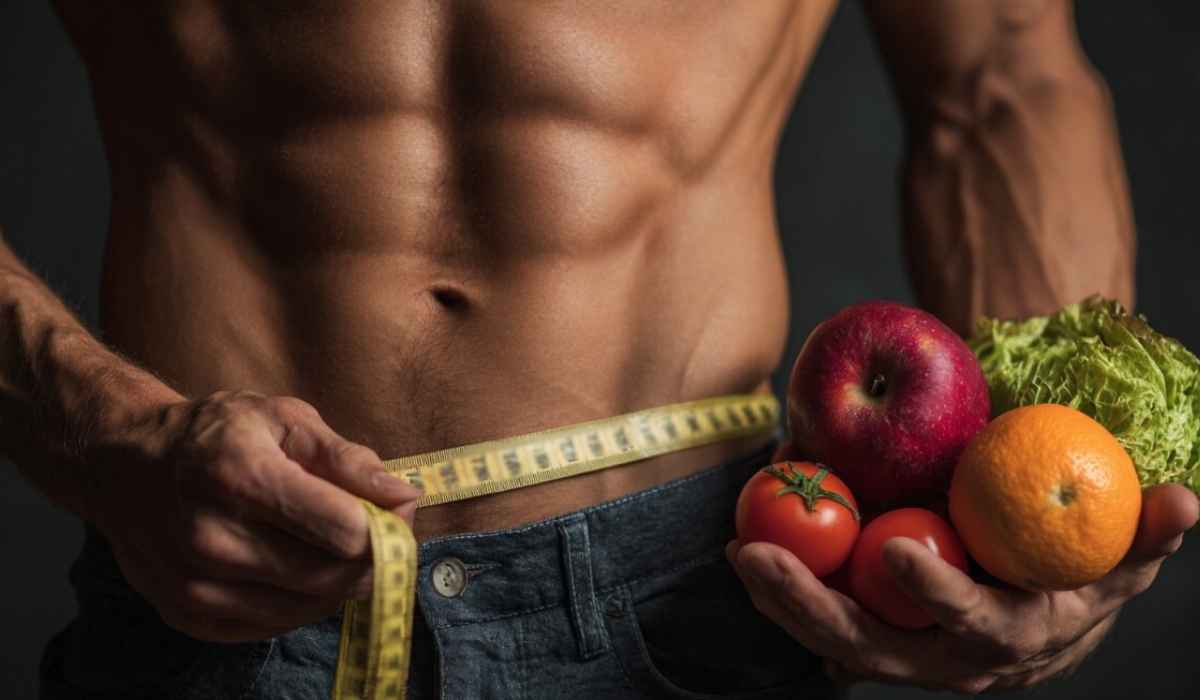
Bodybuilders follow planned bulking and cutting phases to control physical appearance.
Calorie intake and macronutrient ratios are tightly regulated to support muscle growth or fat loss at specific times.
Competition preparation requires extremely low body fat levels to display definition and separation.
- Higher calories during muscle gain periods
- Reduced calories during fat loss phases
- Precise timing of carbohydrates and protein
Powerlifting nutrition prioritizes strength output and recovery.
Adequate calories support heavy training demands, and higher body weight can improve stability and leverage within a weight class.
Visual leanness plays little role in performance outcomes.
6. Competition Formats
Bodybuilding competitions center on visual comparison and stage performance.
Athletes step on stage to display months of preparation through mandatory poses, individual routines, and direct comparisons with others in the same class.
Judging takes place over several rounds, with physiques evaluated under bright lighting that reveals muscle size, symmetry, proportion, and conditioning.
Stage presence becomes just as important as physical condition.
Confidence, posture, transitions between poses, and the ability to remain composed under scrutiny influence final placements.
Conditioning and appearance peak on a single competition day, making timing and preparation precision essential after long dieting and training phases.
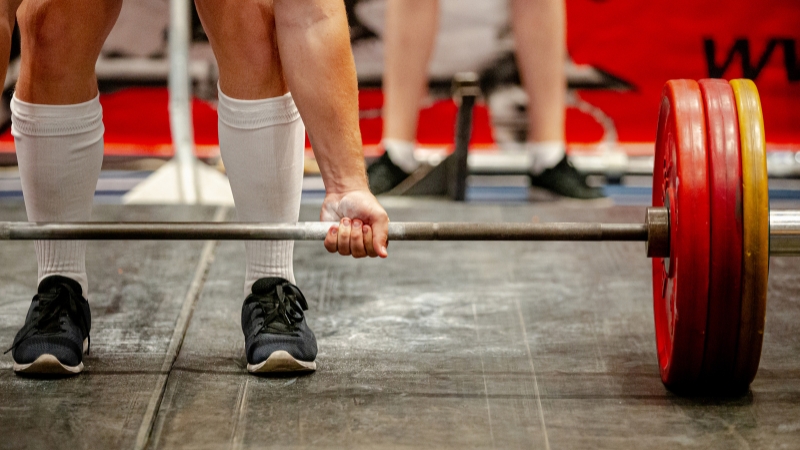
Powerlifting meets operate under strict technical standards and objective scoring. Lifters compete in the squat, bench press, and deadlift, performing each lift under judge supervision.
Every attempt follows clearly defined rules related to depth, pauses, lockout, and control.
Timing, attempt selection, and energy management matter more than presentation.
Competitive environments reflect the core values of each sport, visual assessment in bodybuilding and measurable performance in powerlifting.
7. Recovery, Rest, and Physical Stress
Bodybuilders often use shorter rest periods to maintain metabolic stress and muscular fatigue.
Sessions are designed to keep muscles under tension, creating localized exhaustion rather than system-wide strain.
Training stress spreads across many exercises and muscle groups, which helps limit excessive load on any single movement pattern.
- Alternating muscle groups across sessions
- Managing soreness instead of peak strength
- Frequent training balanced with moderate intensity
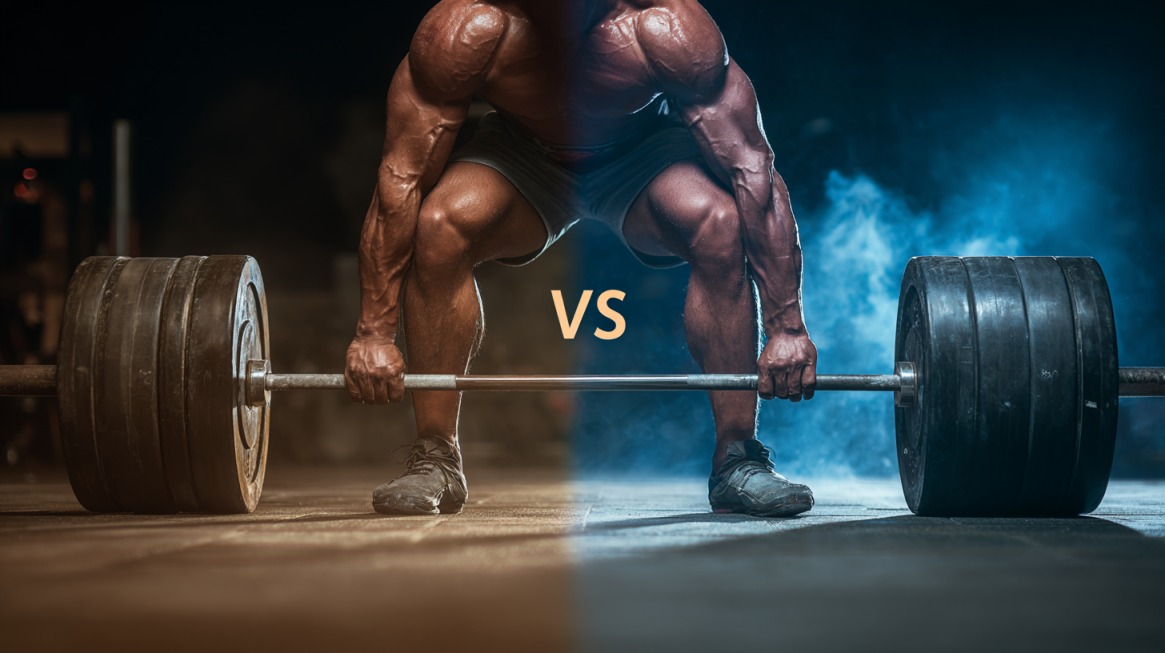
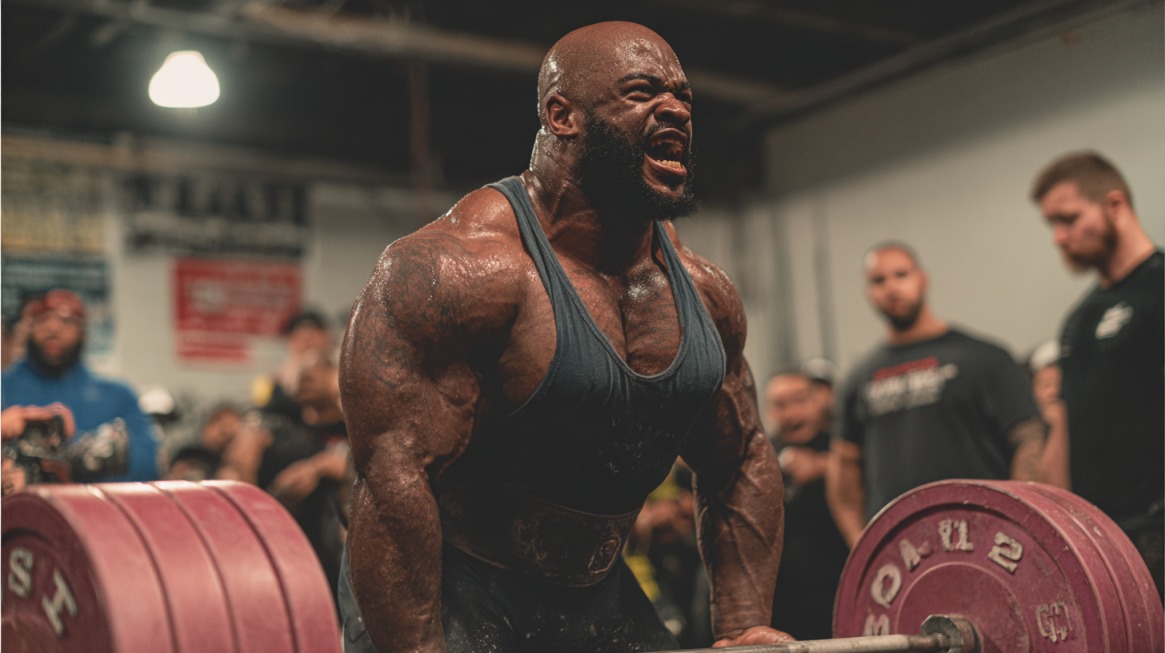
Powerlifters face a different recovery challenge due to maximal and near maximal loading.
Heavy compound lifts place significant demands on muscles, joints, and the nervous system.
Longer rest intervals between sets and sessions become necessary to maintain performance and reduce injury risk.
- Extended rest between heavy sets
- Fewer weekly sessions with higher intensity
- Careful monitoring of fatigue and joint health
Stress management differs because the nature of stress differs.
Bodybuilding emphasizes sustained muscular fatigue, while powerlifting focuses on recovering fully enough to lift heavy weights repeatedly and safely.
Closing Thoughts
Bodybuilding and powerlifting differ most in what each sport rewards.
Appearance defines success in one, performance defines success in the other.
That single factor shapes training methods, nutrition choices, recovery needs, and competition strategy across every phase of preparation.