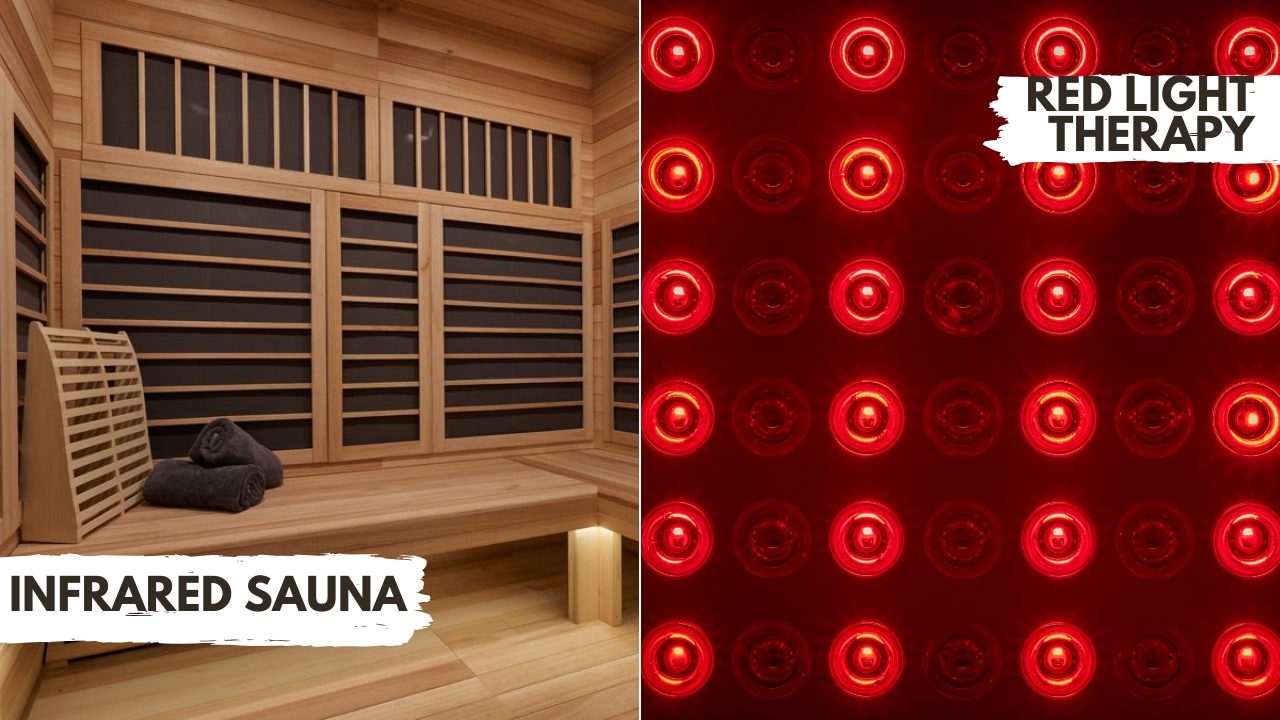
When you are a powerlifter who trains consistently, recovery tools often become part of your routine. Both infrared saunas and red light therapy are good options, but they work in different ways.
Understanding how each one functions can help you decide which one fits your training habits and recovery preferences.
Difference Between Infrared Sauna vs Red Light Therapy
Infrared saunas and red light therapy differ in how they interact with your body. Infrared saunas heat your body directly at lower ambient temperatures than traditional saunas.
Red light therapy, in contrast, uses red and near-infrared wavelength exposure, typically in the 620–1,440 nanometer range, delivered through various device configurations.
These are some of their key differences:
Infrared Sauna
Red Light Therapy
Application
Heating your body directly at a lower ambient temperature than regular saunas
Exposure to red and near-infrared wavelengths using devices
Sensation
Gentle warmth all over the body
Minimal heat or non-heat experience
Recovery Use
For a heat-based recovery routine focused on restoration and relief
Typically used on targeted areas of the body
System Variation
Infrared saunas vary in heating technology, wavelength delivery, energy absorption, safety testing and overall construction
Device setup varies depending on configuration and wavelength output
Why Are Infrared Saunas Suitable for Powerlifters?

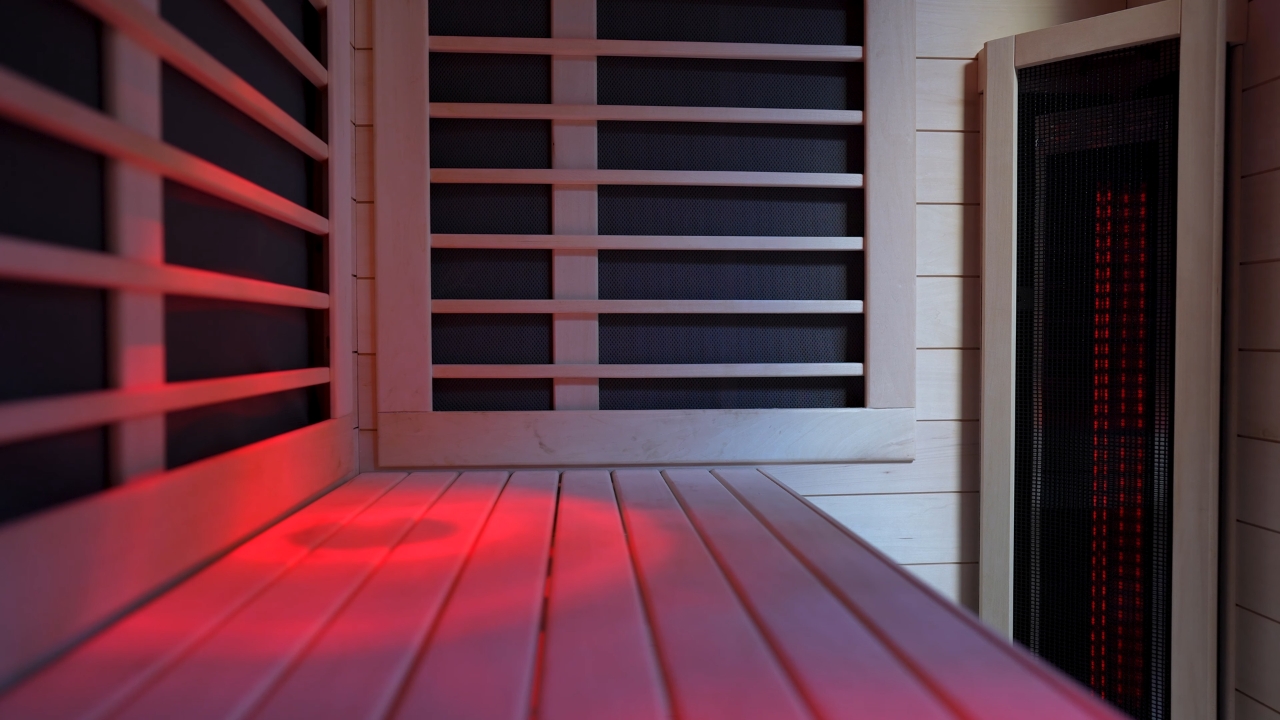
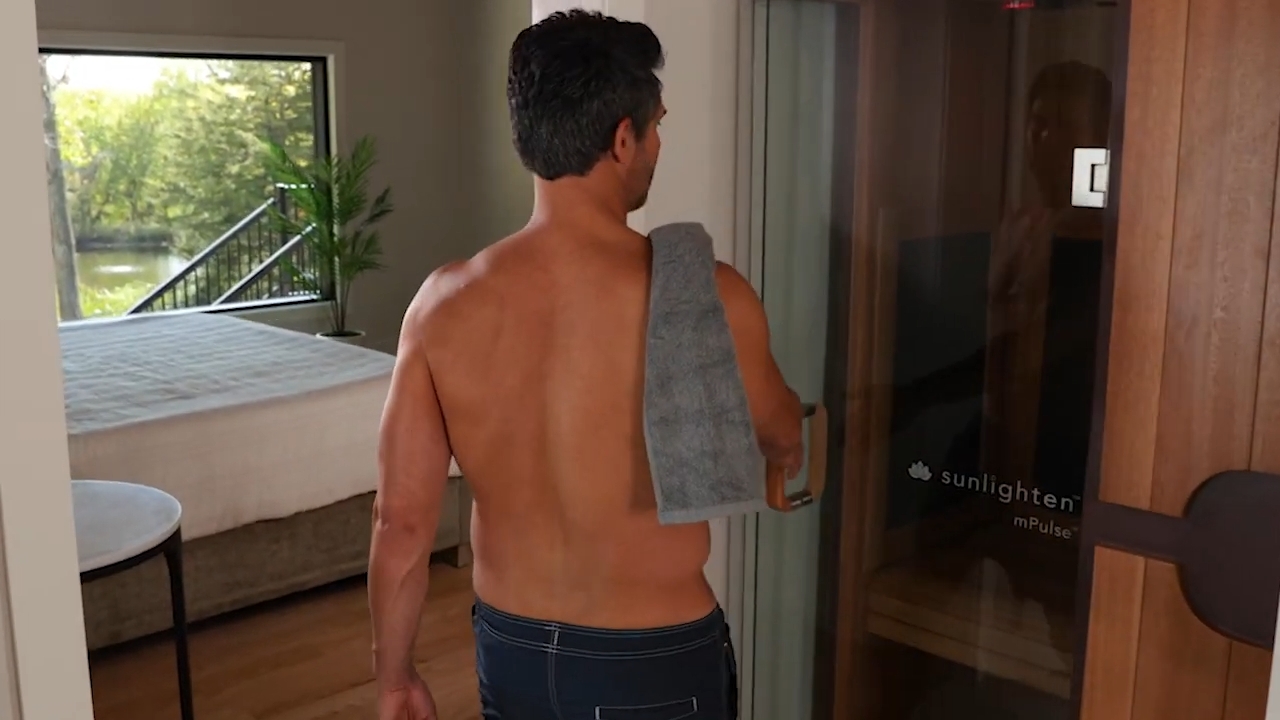
Infrared saunas, such as Sunlighten, fit into recovery routines by gently heating the body to support post-training restoration.
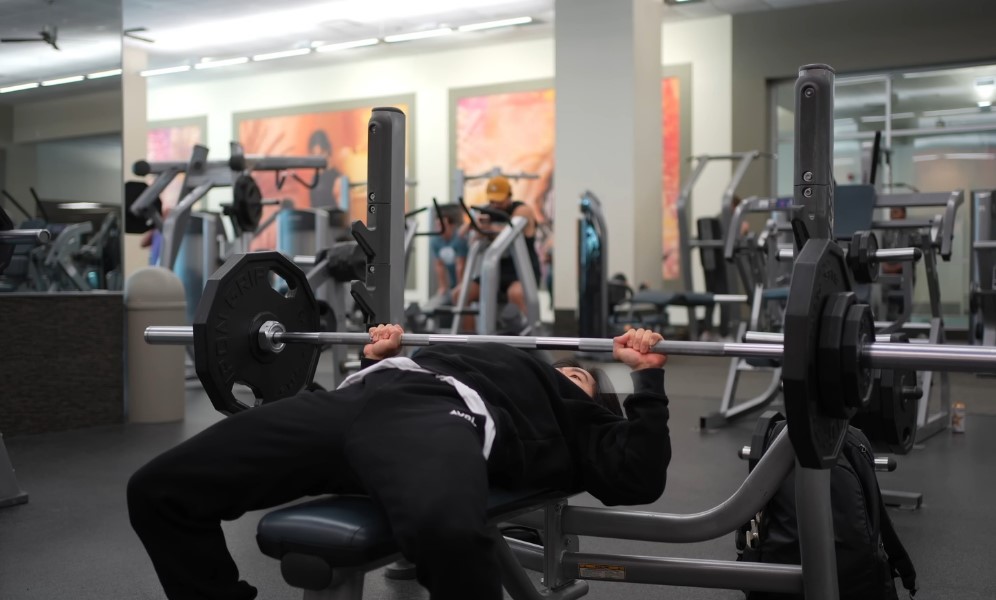
Heavy training, such as lifting workouts, places repeated stress on your body. After each session, you might need simple recovery tools to use consistently.
Infrared saunas are a suitable choice because they heat your body directly but gently, rather than relying on extremely hot air environments like conventional saunas. Because these infrared saunas are comfortable and easy to use, they fit into a heat-based recovery routine focused on post-training wind-down.
Using a well-built infrared sauna is important for safety and efficacy in your daily routine. High-quality infrared saunas like Sunlighten offer a combination of rigorous safety standards, construction quality, and long-term usability, ensuring reliable performance over time.
While infrared saunas complement recovery routines well, you can also use red light therapy alongside sauna sessions as an additional tool. Having both options on hand lets you choose the recovery support that best suits your needs at any given time.
For example, you might use an infrared sauna on most days for a structured, heat-based session. Then opt for red light therapy when you prefer a shorter, more targeted approach.
Are Infrared Saunas Safe to Use?
View this post on Instagram
Infrared saunas are generally safe for healthy adults with proper use. A common misconception is that infrared exposure behaves like harmful radiation. Infrared energy is non-ionizing, meaning it does not affect your body the way cancer-causing radiation does.
Safe use depends on construction quality, which includes emissions testing, heater reliability, and non-toxic materials. Not all infrared saunas are the same, so it’s important to choose a high-quality brand.
To maintain high safety standards for its infrared saunas, saunas use third-party testing, low-electromagnetic fields (EMF) design, non-toxic woods, and materials with low volatile organic compounds (VOCs) in their construction processes. These elements help reduce unnecessary exposure concerns, offering peace of mind during regular use.
Besides product quality, safe use also depends on hydration, session length, and your individual heat tolerance. Excessive heat can be counterproductive, so always ensure you feel comfortably warm when using an infrared sauna.
For lifters who regularly use saunas, durability and build quality are important considerations. Quality often varies based on materials, emissions testing, electrical safety, heater design, EMF performance, and overall construction. Each of these factors ensures the infrared sauna provides a safe and efficient experience for users. Here’s what to look for when shopping for an infrared sauna: Here are several key points about infrared saunas you should know. Recovery tools work best when they fit naturally into your training lifestyle. Most powerlifters find infrared saunas better suited to consistent sessions that align with training demands. Whichever tool you choose for your recovery sessions, it’s important to prioritize safety, build quality, and use consistency.
How to Choose a Quality Infrared Sauna
Frequently Asked Questions
Elevating Your Recovery Routine