Powerlifting takes a serious toll on joints, tendons, and connective tissue. Most lifters know productive soreness when they feel it, but the line between acceptable discomfort and structural damage isn’t always obvious.
Discover warning signs, what an orthopedic evaluation looks like, and top programs around the country.
1. Suspecting Muscle Soreness or Structural Damage
Certain symptoms require immediate professional attention, and recognizing them early can mean the difference between a brief modification to your program and a complete training shutdown.
Strength training risks include muscle imbalances and severe injuries if not correctly managed, which is why knowing when to seek specialized care matters.
The most common orthopedic subspecialties are sports medicine and joint replacement, highlighting the range of expertise available for strength athletes dealing with training-related issues.
Understanding the difference between normal training adaptation and actual damage helps you make informed decisions about your health.
Distinguishing DOMS From Structural Damage
Delayed-onset muscle soreness (DOMS) typically feels stiff and awkward at first, but gentle walking or stretching helps the muscle loosen up. DOMS peaks 48 to 72 hours later and can reduce force capacity by up to 50%, yet it’s poorly correlated with actual microscopic muscle damage. This means you might feel severely sore without having sustained any real injury.
Structural damage produces a completely different sensation. You’ll experience sharp, sudden pain isolated to one spot that worsens with activity rather than improving.
It causes immediate weakness, severe loss of function, catching sensations, or swelling and bruising that make movement painful or impossible.
Sharp Pain During Specific Lift Phases
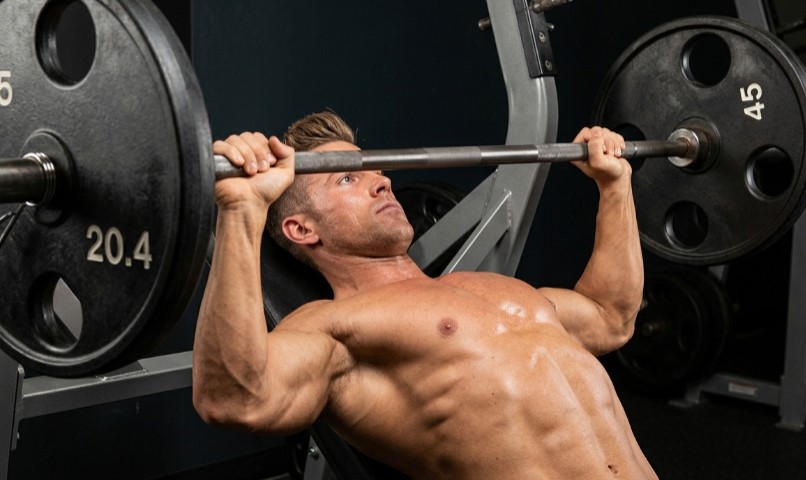
Sharp, localized pain during specific parts of a lift signals potential structural damage rather than general muscle fatigue. Pain that occurs consistently at the bottom of a squat, during the lockout of a deadlift, or at a particular point in your bench press range of motion may indicate tendon irritation, ligament strain, or joint dysfunction.
This type of pain doesn’t spread or migrate. Instead, it stays in one precise location and reproduces reliably when you hit that specific position under load. If you can pinpoint exactly where in the movement the pain strikes, that’s a strong indicator you need a professional evaluation.
2. Adapting Compensatory Movement Patterns
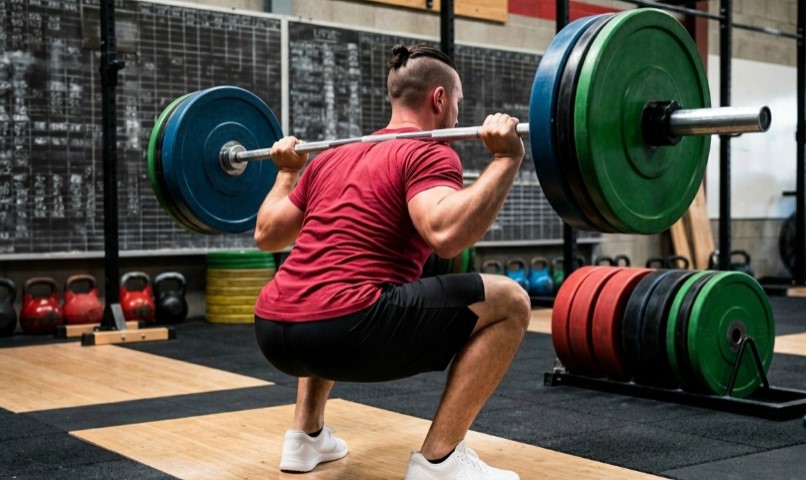
If you find yourself altering your form or bar path to avoid pain, you’re most likely masking a problem rather than fixing it. Your body will naturally shift away from injured tissue, which means your squat stance might widen, your grip could change, or you may unconsciously favor one side during bilateral movements.
These compensations create their own problems over time. Rest, ice, and stretching also won’t help when the underlying issue remains unaddressed. When your technique changes to work around discomfort, it’s time to seek evaluation.
3. Booking Your Clinical Assessment With Top Orthopedic Practitioners
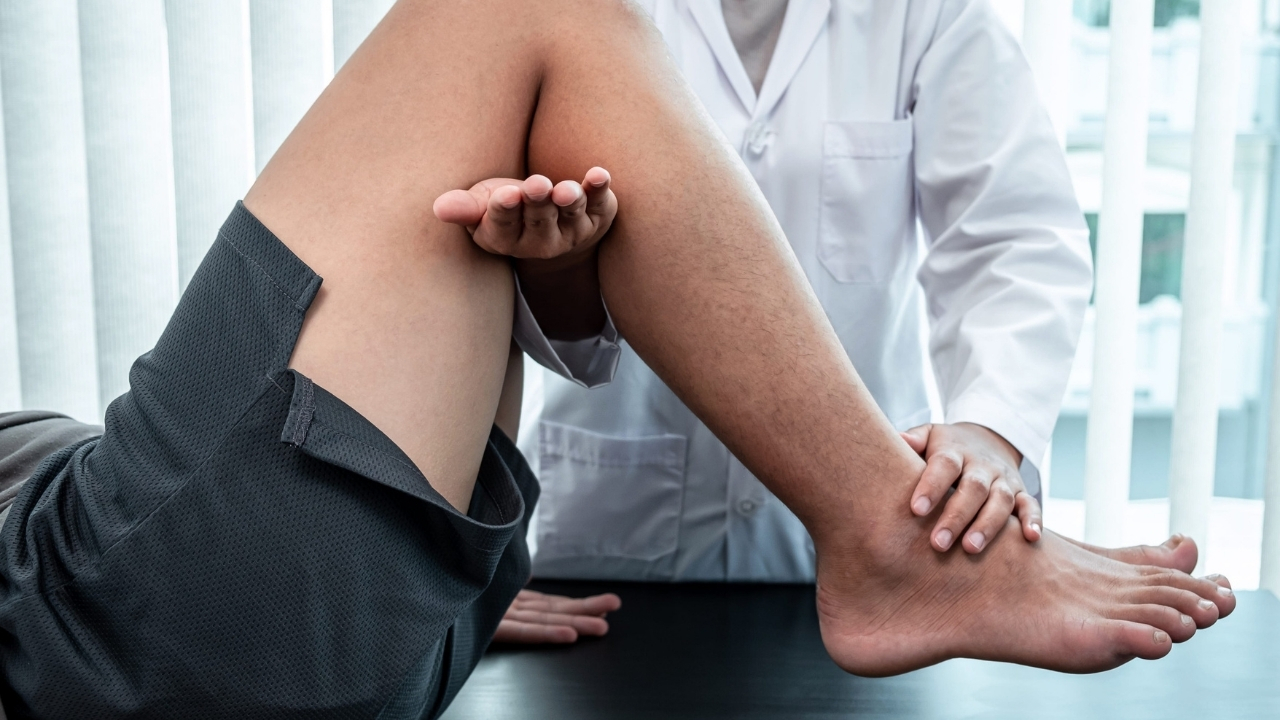
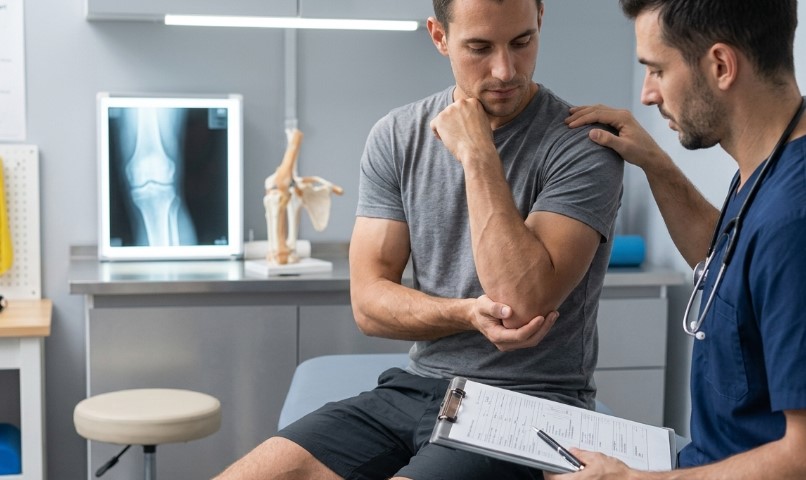
A typical orthopedic evaluation involves reviewing your medical history, performing a physical exam, and often ordering imaging tests to diagnose musculoskeletal issues. For persistent symptoms that don’t respond to rest and home care after several days, you should book an orthopedic evaluation:
The provider will ask about your training history, the specific movements that cause pain, and whether symptoms appeared suddenly or developed gradually. The doctor will assess your range of motion, test specific movements that reproduce your symptoms, and palpate the affected area to identify tender points or structural abnormalities. Top-tier orthopedic programs equipped to handle strength athletes understand the demands of heavy training and can work within your goals. Treatment options could include physical therapy, medication, lifestyle changes, or surgery, depending on the severity and nature of your injury. The following practices across the country offer specialized expertise for powerlifters and competitive athletes. Fondren Orthopedic Group is a premier choice for athletes in the Houston area with comprehensive care delivered by a large team of specialists. With over 40 surgeons practicing across 10 subspecialties, it’s well-equipped to address the specific medical needs of strength athletes, from acute injuries to chronic overuse conditions. The practice uses advanced technology to provide more personalized, flexible, and innovative care for patients at all performance levels. Fondren Orthopedic Group was recognized as a finalist for the Houston Chronicle Best of the Best 2026, reflecting its expertise in the local medical community. New and returning patients can book an appointment for an orthopedic evaluation in Houston online or by phone, making it easy to access specialized care when training issues arise. Its rehabilitation program was ranked seventh in the nation in 2026–2027 by U.S. News & World Report. You can schedule your appointment by calling the provider directly or by scheduling select services and telehealth appointments online. @OSS_Surgeons Seattle’s Dr. Grant Garcia named 1 of 15 Orthopedic Rising Stars Nationwide! — OSS (@OSS_Surgeons) July 30, 2026 Orthopedic Specialists of Seattle is a leading option in the Pacific Northwest for athletes seeking specialized joint and muscle care. The team consists of nine orthopedic surgeons and six physician assistants who emphasize clinical outcomes, comfort, and communication throughout treatment processes. The practice has frequently earned recognition on local “top doctors” lists, including honors from Seattle Met Magazine for consistent high-quality care. Its virtual assistant makes it easy to schedule, reschedule, cancel, or confirm your appointment at any time of the day, providing flexibility for busy training schedules. Here are answers to common concerns powerlifters have about seeking medical advice. Early intervention keeps lifters under the bar longer by addressing problems before they become career-threatening injuries. If you’re experiencing sharp pain during specific lift phases, noticing compensatory movement patterns, or dealing with discomfort that doesn’t resolve with standard recovery protocols, seeking professional help now can save months of forced downtime later.
Fondren Orthopedic Group (Houston, TX)
The Ohio State University Wexner Medical Center (Columbus, OH)
The Ohio State University Wexner Medical Center is a top option in the Midwest for strength athletes seeking expert orthopedic care. It offers sports medicine expertise for athletes and active people at all levels, with both nonsurgical and surgical treatment options available depending on the nature and severity of your condition.Orthopedic Specialists of Seattle (Seattle, WA)
Trailblazing Orthopedic Sports Medicine by advancing minimally invasive procedures, revision surgery & joint preservation-he gives younger, active patients alternatives to joint replacement pic.twitter.com/g7gp99lIwdFrequently Asked Questions
Get Back Under the Bar