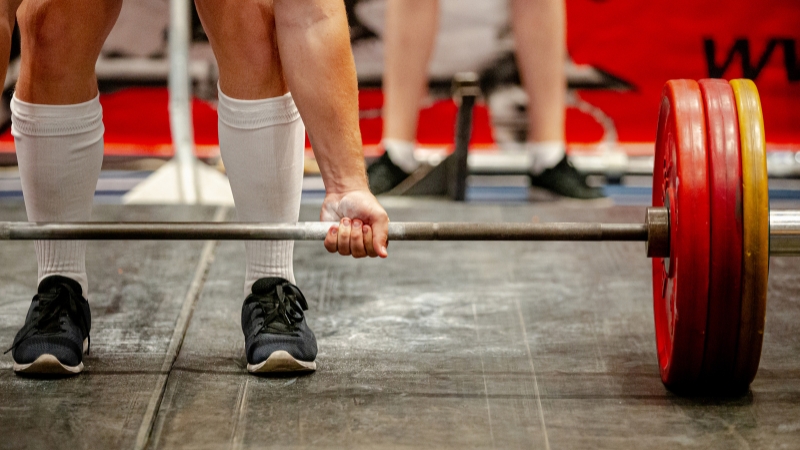

Serious weight training does not fail because of weak programs or poor discipline. It fails because the body cannot always recover as fast as the workload demands.
Every heavy session creates microscopic damage in muscle fibers, stress in tendons, disruption in joint structures, and fatigue in the nervous system.
Strength gains only appear if those systems repair fast enough to handle the next session. When recovery falls behind, progress slows, injuries appear, and training quality drops.
Hyperbaric oxygen therapy, often referred to as HBOT, has become an increasingly used recovery tool because it directly targets the physiological bottleneck that limits repair speed: oxygen delivery to damaged tissue.
HBOT was originally developed for medical trauma, wound healing, and decompression sickness. Its transition into athletic recovery happened when sports medicine started to recognize that muscle damage from training behaves similarly to trauma at a cellular level.
The same mechanisms that heal surgical wounds also rebuild torn muscle fibers and strained connective tissue. This is why HBOT now sits inside elite performance centers rather than only inside hospitals.
How Hyperbaric Oxygen Therapy Works Inside the Body
During a hyperbaric oxygen session, the athlete lies inside a sealed chamber where atmospheric pressure is increased, and nearly pure oxygen is delivered for a set period of time. Under normal conditions, oxygen is transported mainly by hemoglobin.
Under hyperbaric conditions, oxygen dissolves directly into the blood plasma at concentrations far higher than standard breathing allows. This dissolved oxygen can diffuse into damaged tissue even when circulation is compromised by swelling or inflammation.
For weight lifters, this matters because intense training compresses capillaries inside working muscles and joints. That compression reduces oxygen availability exactly where it is needed most.
HBOT bypasses that bottleneck by saturating plasma itself with oxygen, allowing diffusion into hypoxic tissue under pressure.
This accelerates ATP production at the cellular level, improves mitochondrial efficiency, and enhances collagen synthesis needed for tendon and ligament repair.
The Physiology of Muscle Damage and Delayed Recovery
Strength training does not produce immediate pain because structural damage does not become fully inflammatory until hours later. After heavy lifting, muscle fibers swell, connective tissue stiffens, and metabolic waste becomes trapped in compressed tissue.
Oxygen delivery drops while repair demands rise. This mismatch creates the familiar 24 to 72-hour soreness peak known as delayed onset muscle soreness.
Recovery speed depends on how quickly oxygen and nutrients can re-enter damaged areas. Older lifters, high-volume bodybuilders, and powerlifters all face slower oxygen diffusion because of repeated tissue compression over time.
HBOT directly restores oxygen gradients when natural circulation cannot keep up with demand.

Documented Recovery Effects of HBOT for Lifters
Clinical and sports performance studies consistently show that hyperbaric oxygen therapy accelerates several key recovery markers after intense resistance training.
| Recovery Marker | Effect of HBOT |
| Creatine kinase clearance | Faster reduction post-training |
| Inflammatory cytokines | Reduced duration of elevation |
| ATP regeneration | Increased efficiency |
| Connective tissue collagen synthesis | Elevated |
| Perceived muscle soreness | Shortened recovery window |
| Repeated-session strength output | Better preservation |
These effects do not create artificial strength. They remove the biological brakes that normally slow adaptation after repeated stress.
Which Types of Lifters Benefit the Most
Not every gym-goer needs hyperbaric oxygen therapy. Its greatest value appears in athletes who operate close to their recovery ceiling for long periods of time.
| Athlete Profile | Primary Stress | Primary Benefit from HBOT |
| Competitive bodybuilders | High-volume muscle microtrauma | Faster hypertrophy recovery |
| Powerlifters | Joint and tendon overload | Connective tissue reinforcement |
| Cross-training athletes | Mixed fatigue systems | Inflammation control |
| Older lifters (35+) | Slower regeneration rate | Tissue repair acceleration |
| Post-injury athletes | Compromised circulation | Oxygen diffusion to scar tissue |
In each case, the advantage comes from restoring oxygen supply to tissues that naturally regenerate more slowly.
How HBOT Is Integrated Into a Training Week
Hyperbaric oxygen therapy is not used randomly. It is usually timed around the heaviest training days, where tissue compression is the greatest.
Most high-performance athletes use two to five sessions per week, depending on training load, competition schedule, and existing joint stress.
| Training Phase | HBOT Frequency | Purpose |
| Heavy loading phase | 3–5 sessions weekly | Inflammation control and tissue regeneration |
| Hypertrophy volume phase | 2–3 sessions weekly | Muscle fiber recovery |
| Competition prep | 3–4 sessions weekly | Injury risk reduction |
| Deload phase | 2 sessions weekly | Systemic nervous system reset |
Used this way, HBOT allows higher training density without proportional increases in joint or tendon breakdown.
Why Elite Athletes Use Hyperbaric Chambers
@maldivaaesthetics 6ft 3 in a hyperbaric chamber? Challenge accepted 😆 Elite athletes know recovery is everything. Jordan Wright, Newport County Goalkeeper, came into @Stuart Oxy Haus Newport for Hyperbaric oxygen therapy to stay sharp, fast, and injury-free ⚽️💨 Drop Oxy Haus a DM if we can help with your recovery! #hyperbaricoxygentherapysouthwales #hyperbaricoxygentherapynewport #newportcounty ♬ original sound – TRICIA MALDIVA CLINIC NEWPORT
HBOT has become standard inside professional football facilities, Olympic training centers, and MMA camps because downtime is expensive. A missed training block can permanently alter a season’s outcome.
Because hyperbaric oxygen compresses recovery timelines rather than merely masking pain, it is treated as a performance infrastructure tool rather than a luxury add-on.
This same logic now applies to serious private athletes. Many strength athletes traveling through Southern California specifically seek out the best hyperbaric oxygen therapy LA services because session quality, chamber pressure accuracy, and oxygen purity dramatically influence biological response.
The closer HBOT quality aligns with professional medical standards, the more meaningful the recovery effect becomes.
Muscle Growth Versus Muscle Preservation
Training only provides the stimulus to grow. Recovery executes the construction. When recovery resources are limited, the body prioritizes repair over adaptation and shifts into survival mode. This is when training volume increases, but visible progress stalls.
Hyperbaric oxygen therapy does not directly build muscle. It ensures that oxygen availability, collagen synthesis, and ATP regeneration do not become limiting factors during adaptation. By removing those internal bottlenecks, the growth signals created by training can actually be completed.
Tendon, Ligament, and Joint Recovery
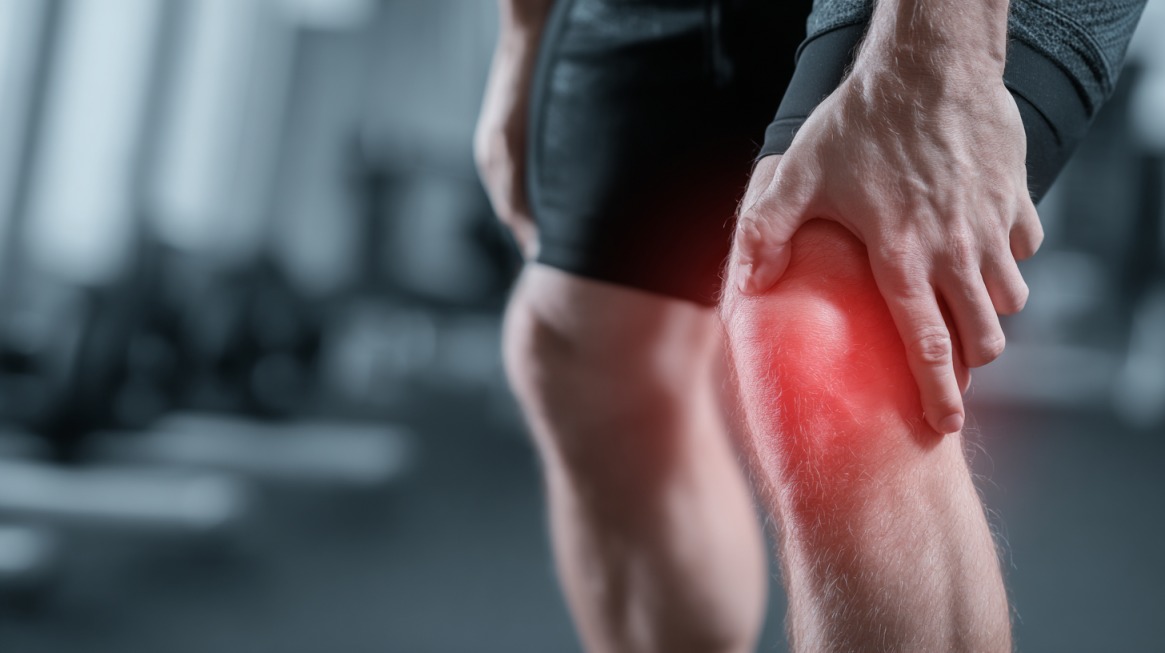
Muscle heals quickly because it has a rich blood supply. Tendons and ligaments do not. This is why elbow pain, knee irritation, and shoulder inflammation linger in heavy lifters for months. Poor vascularization makes these tissues oxygen-starved during healing.
HBOT increases oxygen diffusion even in low-blood-supply connective tissue. Fibroblast activity rises, collagen structure becomes denser, and inflammatory signaling reduces.
Over time, this improves joint stability and reduces recurrence of chronic overuse injuries that normally limit long-term training.
Metabolic and Fat Loss Support During HBOT
While HBOT is not a fat-loss treatment, its metabolic side effects indirectly support body recomposition. Mitochondrial oxygen efficiency improves, fatigue resistance increases, and insulin sensitivity often improves post-exercise.
This allows athletes to cut calories to maintain higher-quality training output instead of watching performance collapse during diet phases.
Safety Profile for Weight Lifters
When properly supervised, hyperbaric oxygen therapy carries a strong safety record. The most common sensations involve temporary ear pressure or mild fatigue during the first few sessions as pressure tolerance adapts.
These typically resolve quickly. Serious complications are rare in healthy individuals.
Contraindications primarily involve untreated lung disease, certain inner ear disorders, and acute respiratory infections. For most lifters, HBOT presents far less systemic risk than chronic NSAID use, repeated corticosteroid injections, or premature surgical intervention.
Financial Reality and Training Economics
Session pricing typically ranges from approximately one hundred fifty to four hundred dollars, depending on chamber type and provider standards.
While this appears costly, the comparison changes when measured against lost training cycles, delayed competition preparation, repeated physical therapy, or long rehabilitation periods after preventable injuries.
For lifters who view training as a long-term pursuit rather than a seasonal hobby, HBOT becomes a recovery efficiency investment rather than a luxury expense.
Why HBOT Outperforms Passive Recovery Alone
View this post on Instagram
Ice baths, massage, compression garments, and mobility work all support recovery indirectly by reducing pain or swelling. None of these increases oxygen availability inside damaged tissue under pressure.
Hyperbaric oxygen therapy works upstream of these modalities by restoring cellular respiration itself.
It does not replace passive recovery methods, but it multiplies their effectiveness by accelerating the biological rebuilding process that comfort-based therapies cannot directly influence.
Final Perspective
Weight lifting produces progress through repeated micro-injury. Recovery determines whether those injuries become stronger tissue or the foundation of chronic damage.
Hyperbaric oxygen therapy works because it accelerates the exact cellular processes that convert mechanical stress into new muscle fibers, reinforced tendons, and stabilized joints.
For lifters training near their physiological limits year after year, HBOT is no longer experimental technology. It is a recovery accelerator that expands how hard, how often, and how safely the body can perform.